Company Turns Used Chopsticks into Tables and Toys
2021-10-14
As a PhD student, Felix Böck had been trying to do something about wood waste from buildings in Vancouver, but with little success. However, while eating sushi, the woman who is now his fiancée gave him a different idea.
"She said: 'Felix, maybe you just have to start with something small,'" Böck told The Guardian. "And maybe it's the chopstick." The next day, Böck began working on a way to turn used chopsticks into something useful.
Böck said that many chopsticks travel thousands of kilometers to only be used for 20 or 30 minutes.
So in 2016, he started ChopValue, and began collecting chopsticks from restaurants in Vancouver. The chopsticks are cleaned and then put together using heat, steam and pressure to make 20-by-20-centimeter tiles. These tiles are then made into products such as shelves, plates and even toys.
Some chopsticks even go back to the same restaurant where they were first used, becoming tables or pieces of art.
In Vancouver, ChopValue now collects about 350,000 chopsticks a week from restaurants and places such as airports, shopping centers and universities. The company also works in Calgary, Montreal and Los Angeles. In total, ChopValue says it has turned more than 32 million used chopsticks into new products.
Almost a third of the world uses chopsticks every day, and many of these are single-use. In 2013, Bai Guangxin of China Jilin Forestry Industry Group said that China alone was producing 80 billion single-use chopsticks each year. These were being used both within China, and being sent to other countries such as Japan, South Korea and the United States.
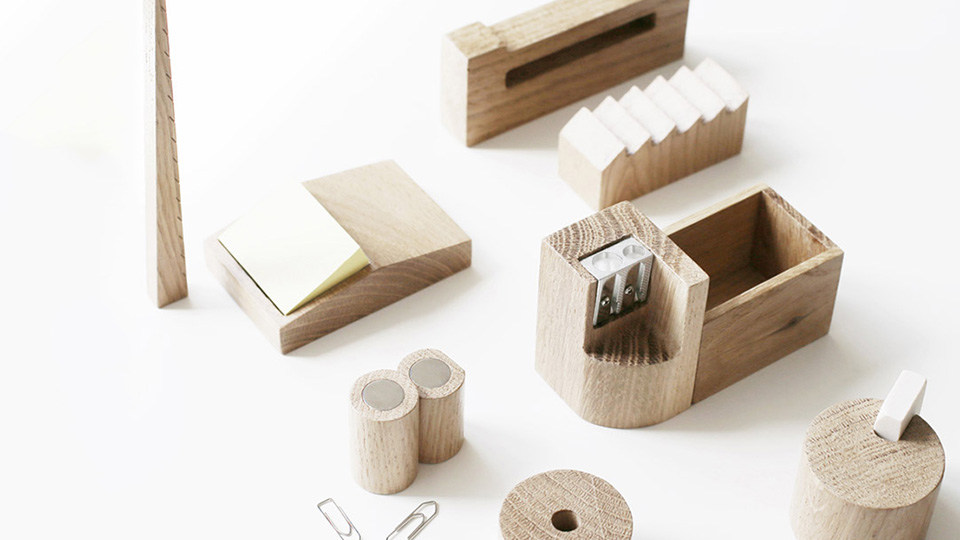
Stationery Design Enhances Product Quality
Related Article
Stationery product design can have three elements to attract buyers, appearance design, functional characteristics, scientific and technological content.
Stationery Design Enhances Product Quality
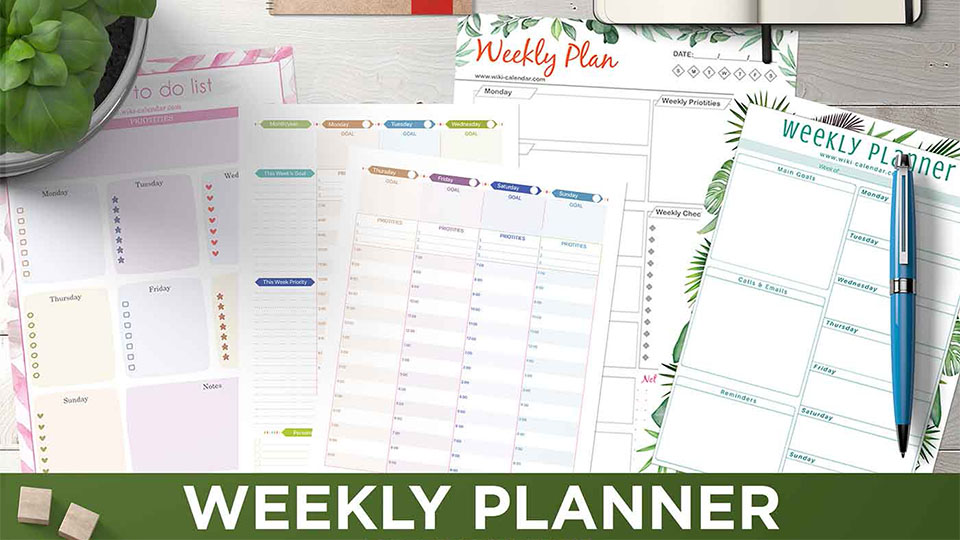
Time management is a challenge even for the most talented and motivated people.
Productivity levels vary from day to day, and modern tools that are supposed to help us work better and faster can turn against us – think of all the time you lose checking your email every day or giving up to guilty pleasures like shopping online.
5 Reasons Why You Need A Weekly Planner